Street Fighter 6 taught me the game I thought I already knew
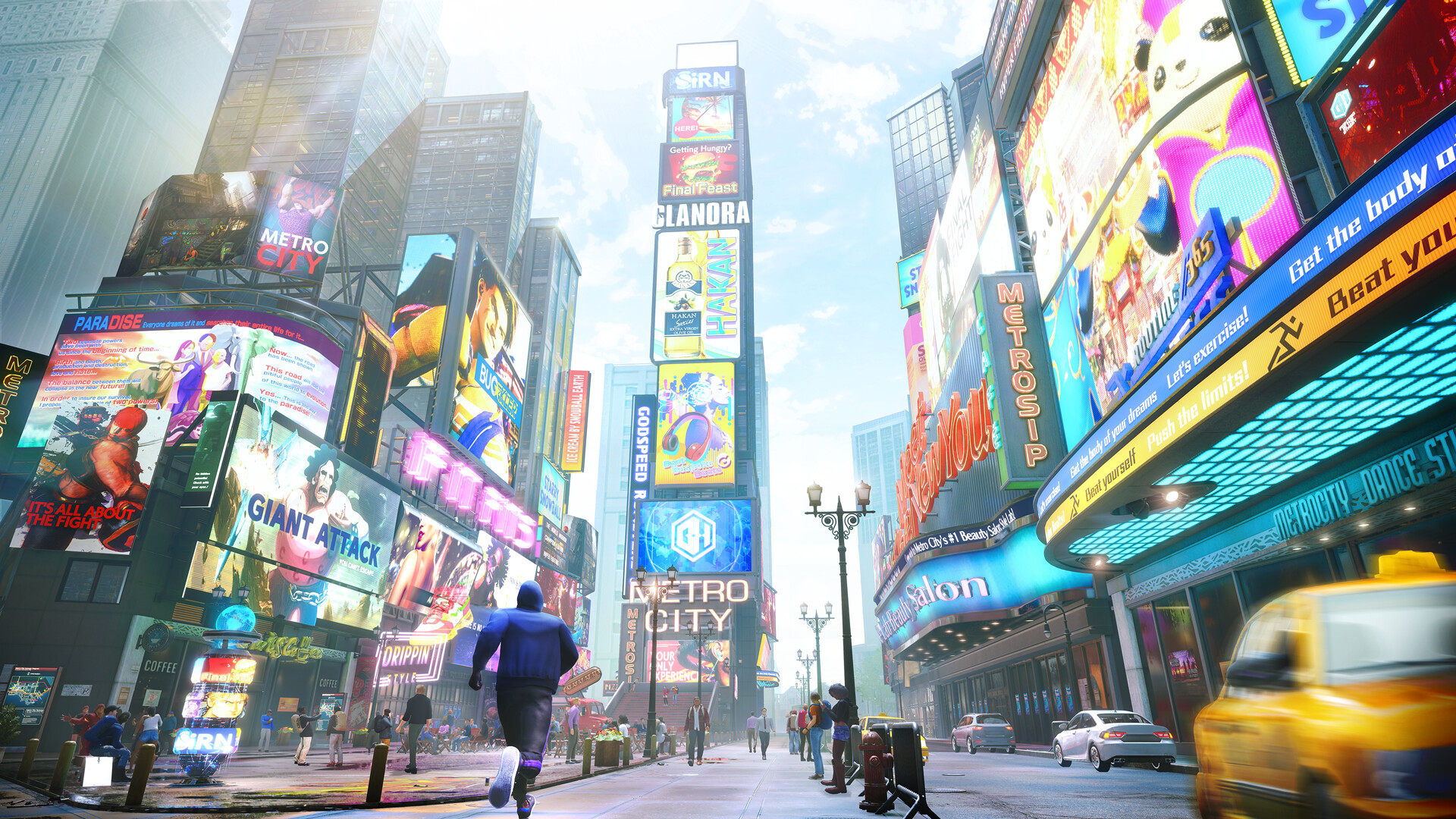
Capcom’s Street Fighter 6 arrived with muted expectations. Six weeks and 120 hours later, I think most of them were warranted — with caveats worth understanding before you spend $30.
There’s an interesting trap that games in the Fighting space tend to fall into. Street Fighter 6 mostly avoids it, but the way it avoids it is more interesting than the genre itself.
Gameplay
The core loop is punchy in short bursts. You scout the next area, then you commit to a route, then you either commit or hit reset. What separates Street Fighter 6 from peers in the Fighting space is the way the second decision changes the first one. It’s a subtle thing, but you feel it more the longer you play.
Combat in Street Fighter 6 rewards reading more than reflexes. Capcom clearly built around the idea that you should always have time to think — but the consequences for thinking wrong are real. The result is the rare action game that respects deliberate play.
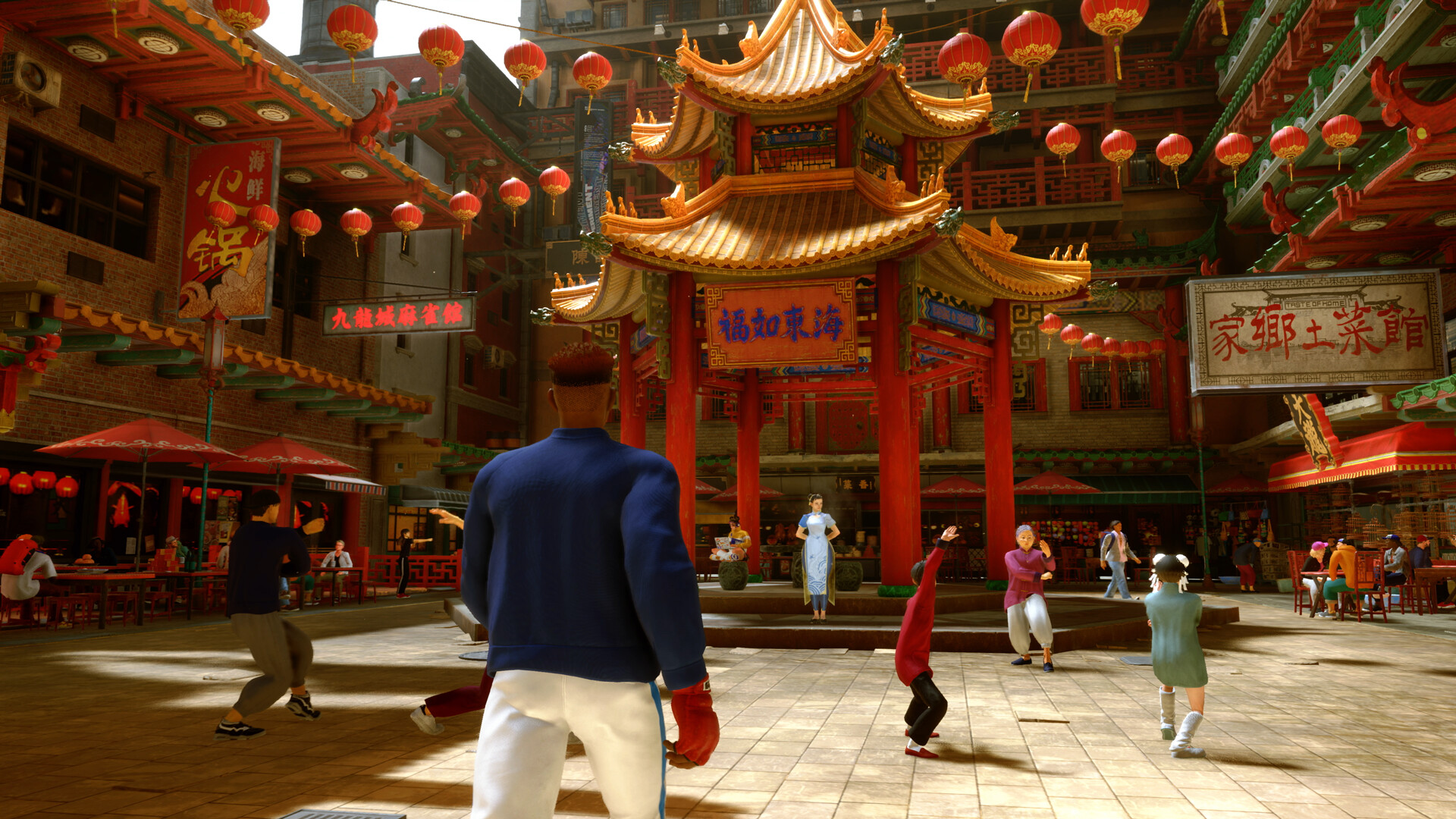 Scene from Street Fighter 6.
Who We Are & Setting
The writing in Street Fighter 6 is the best argument for taking dialogue trees seriously again. Every choice feels weighted. Every NPC has a recognizable voice. It’s not subtle work — but it’s the kind of unsubtle work that takes years to get right.
Narratively, Street Fighter 6 works because Capcom keeps the stakes personal even when the scope is enormous. The headline plot involves the fate of a small village, but the moments that land are smaller — a conversation in a tavern, a letter you find in a desk drawer, a side character whose name you remember three weeks after the credits.
Visuals & Performance
Visually, Street Fighter 6 prioritizes legibility over spectacle. That’s the right call. Capcom could have built a tech demo. Instead they built a game where you can read the board at a glance and that’s worth more than any number of polygons.
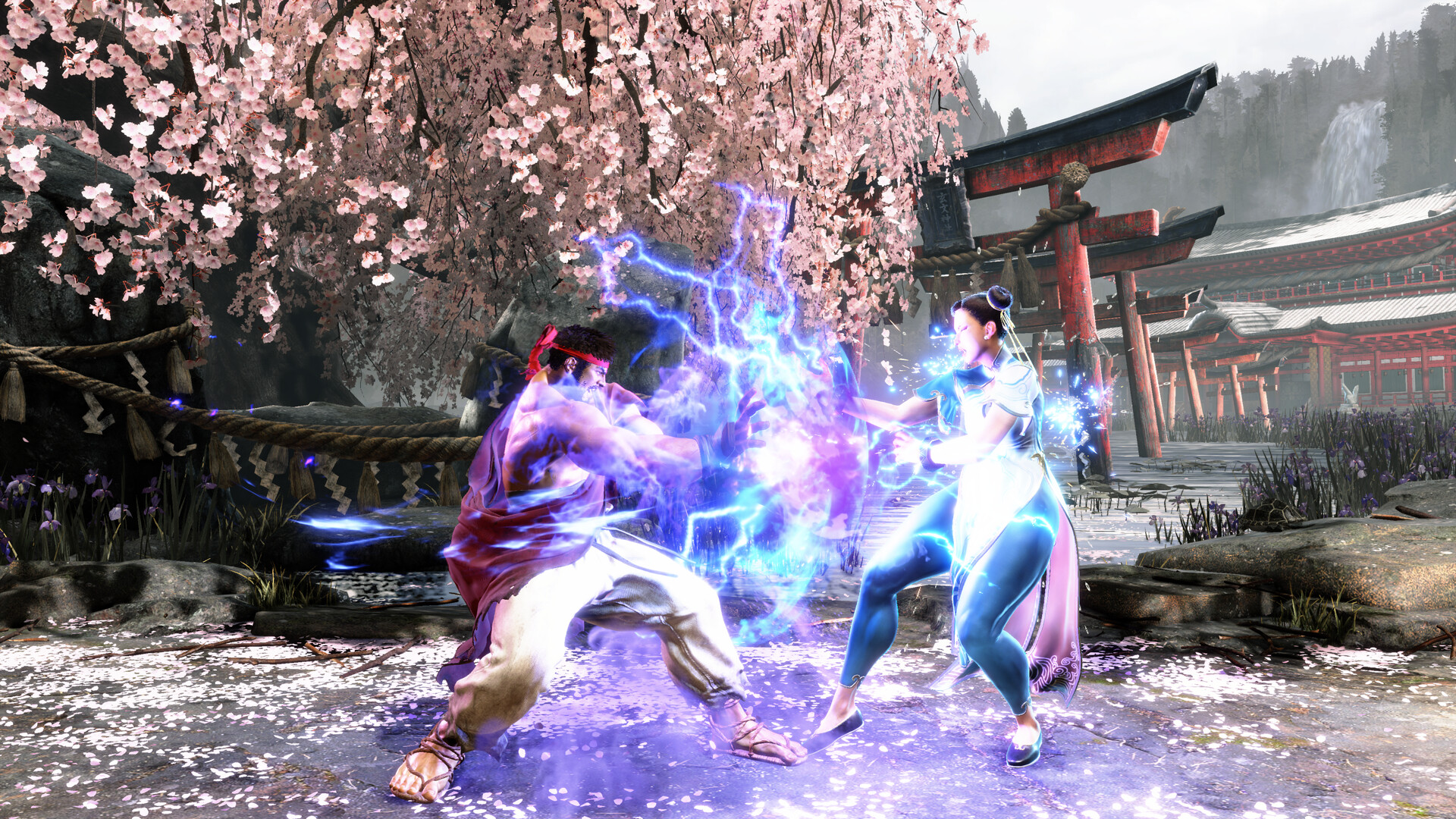 Scene from Street Fighter 6.
Verdict
We score Street Fighter 6 a 7/10. That’s high for the genre, but the strengths are unambiguous and the weaknesses are addressable through patches. Worth the time of anyone with even a passing interest.
Capcom has earned the benefit of the doubt with Street Fighter 6. It’s not their best work — that’s probably still Dark Souls III — but it’s a stronger argument for taking small studios seriously than any pitch deck.
Editorial scoring
Reader Q&A
How long does it take to finish Street Fighter 6 taught me the game I thought I already knew?
Main story runs around 120 hours depending on how thoroughly you explore. Completionists can spend 2-3× that.
Is Street Fighter 6 taught me the game I thought I already knew good for newcomers to Fighting?
Yes — Street Fighter 6 taught me the game I thought I already knew is a great entry point. The early hours teach the systems gradually and the difficulty curve is reasonable.
Which platform should I play Street Fighter 6 taught me the game I thought I already knew on?
Console version is the most stable on launch. PC version benefits from the modding scene long-term.
Was Street Fighter 6 taught me the game I thought I already knew worth the launch-day price?
Depends on backlog. The replay value justifies the price for genre fans; casual players should wait for a 40%+ discount.
Are there DLCs or expansions worth picking up?
Wait for the Game of the Year edition — it bundles everything at a fair discount.
What did Capcom get right (and what could be better)?
Capcom nailed the moment-to-moment loop and the world-building. Pacing in the mid-game and inventory UX have room for improvement.