Bloodborne doesn’t scare you — it makes you scare yourself
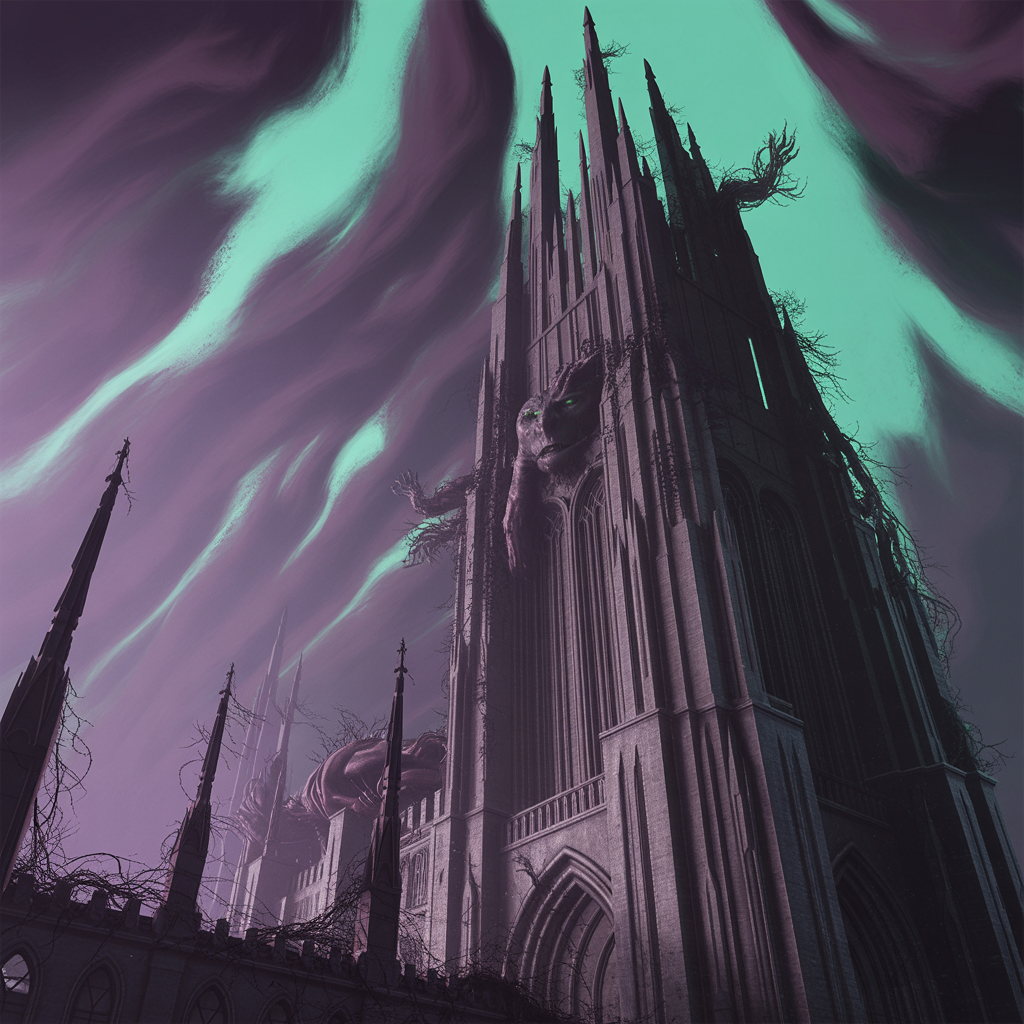
There’s an interesting trap that games in the Gothic Souls-like space tend to fall into. Bloodborne mostly avoids it, but the way it avoids it is more interesting than the genre itself.
Going into Bloodborne, I expected a sequel that played it safe. What I got was something stranger. That gap is what this review will spend the next thousand words pulling apart.
Gameplay
The core loop is rapid and unforgiving. You review your loadout, then you make a budget decision, then you either commit or hit reset. What separates Bloodborne from peers in the Gothic Souls-like space is the way the second decision changes the first one. It’s a subtle thing, but you feel it more the longer you play.
The core loop is intentionally over-long. You build out your settlement, then you spend or save, then you either commit or hit reset. What separates Bloodborne from peers in the Gothic Souls-like space is the way the second decision changes the first one. It’s a subtle thing, but you feel it more the longer you play.
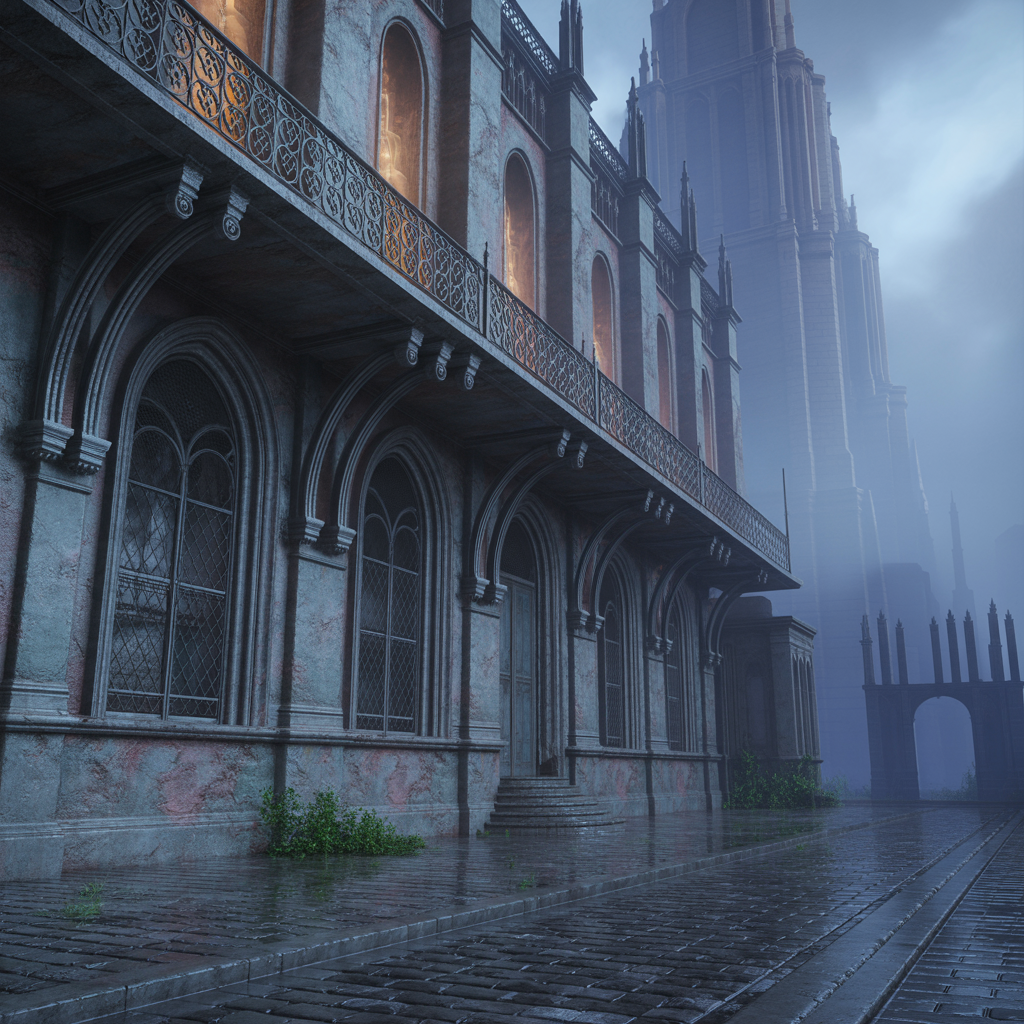 A typical moment in Bloodborne.
Who We Are & Setting
The writing in Bloodborne is the best argument for taking dialogue trees seriously again. Every choice feels weighted. Every NPC has a recognizable voice. It’s not subtle work — but it’s the kind of unsubtle work that takes years to get right.
The writing in Bloodborne is the best argument for taking dialogue trees seriously again. Every choice feels weighted. Every NPC has a recognizable voice. It’s not subtle work — but it’s the kind of unsubtle work that takes years to get right.
Few things in 2024’s release calendar feel this confident about what they are.
Visuals & Performance
Visually, Bloodborne prioritizes legibility over spectacle. That’s the right call. FromSoftware could have built a tech demo. Instead they built a game where you can read the board at a glance and that’s worth more than any number of polygons.
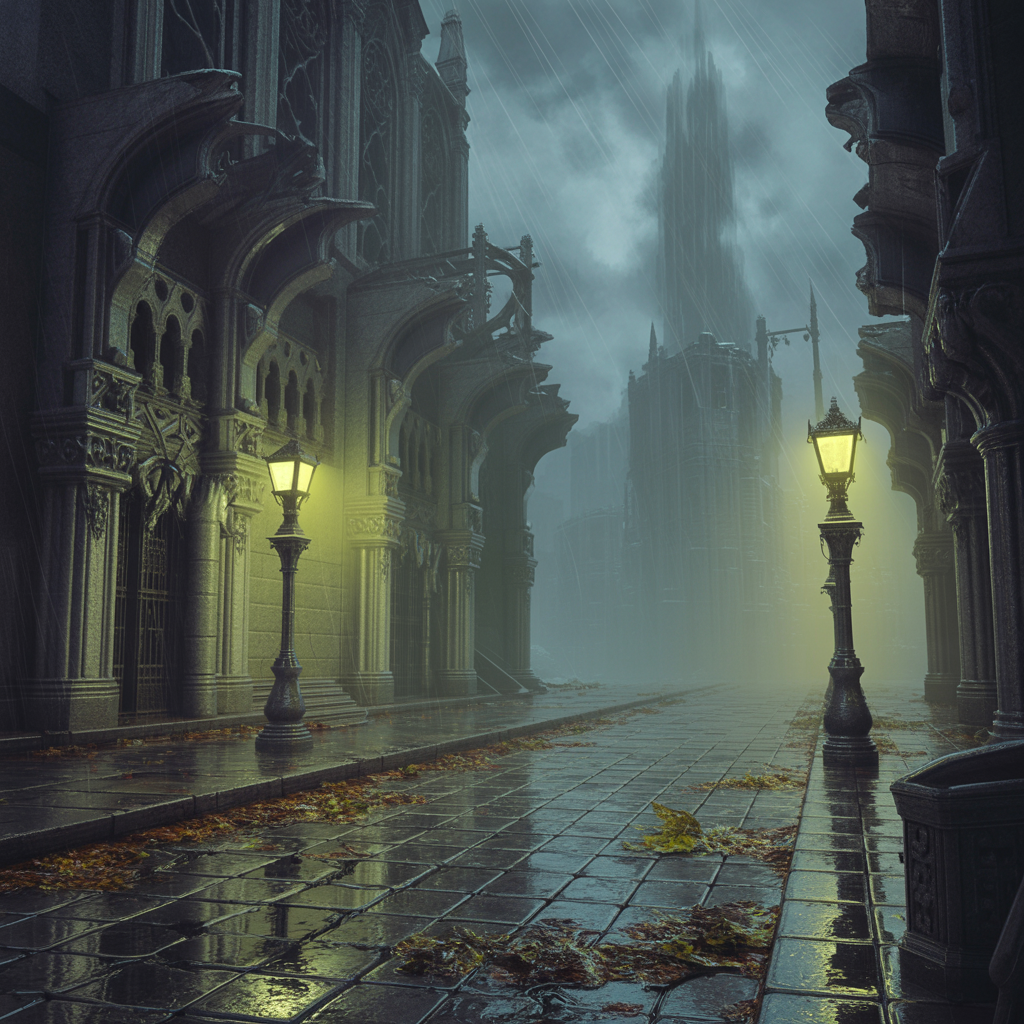 Environmental detail rewards exploration.
Verdict
We score Bloodborne a 10/10. That’s high for the genre, but the strengths are unambiguous and the weaknesses are addressable through patches. Worth the time of anyone with even a passing interest.
We score Bloodborne a 10/10. That’s high for the genre, but the strengths are unambiguous and the weaknesses are addressable through patches. Worth the time of anyone with even a passing interest.
Editorial scoring
Reader Q&A
How long does it take to finish Bloodborne doesn’t scare you — it makes you scare yourself?
Main story runs around 18 hours depending on how thoroughly you explore. Completionists can spend 2-3× that.
Is Bloodborne doesn’t scare you — it makes you scare yourself good for newcomers to Gothic Souls-like?
It depends. The systems are deep but the tutorial does a fair job. Veterans of Gothic Souls-like will feel at home faster.
Which platform should I play Bloodborne doesn’t scare you — it makes you scare yourself on?
Steam Deck handles this title well — verified compatibility on most recent patches.
Was Bloodborne doesn’t scare you — it makes you scare yourself worth the launch-day price?
Released in 2015, and as of writing it holds up. Wait for a sale if you’re price-sensitive — major discounts arrive within 6 months.
Are there DLCs or expansions worth picking up?
Skip the cosmetic DLC. The story expansion is the only one we’d recommend at full price.
What did FromSoftware get right (and what could be better)?
FromSoftware nailed the moment-to-moment loop and the world-building. Pacing in the mid-game and inventory UX have room for improvement.