Team Spectre heads into SGF 2026 already relearning CS2
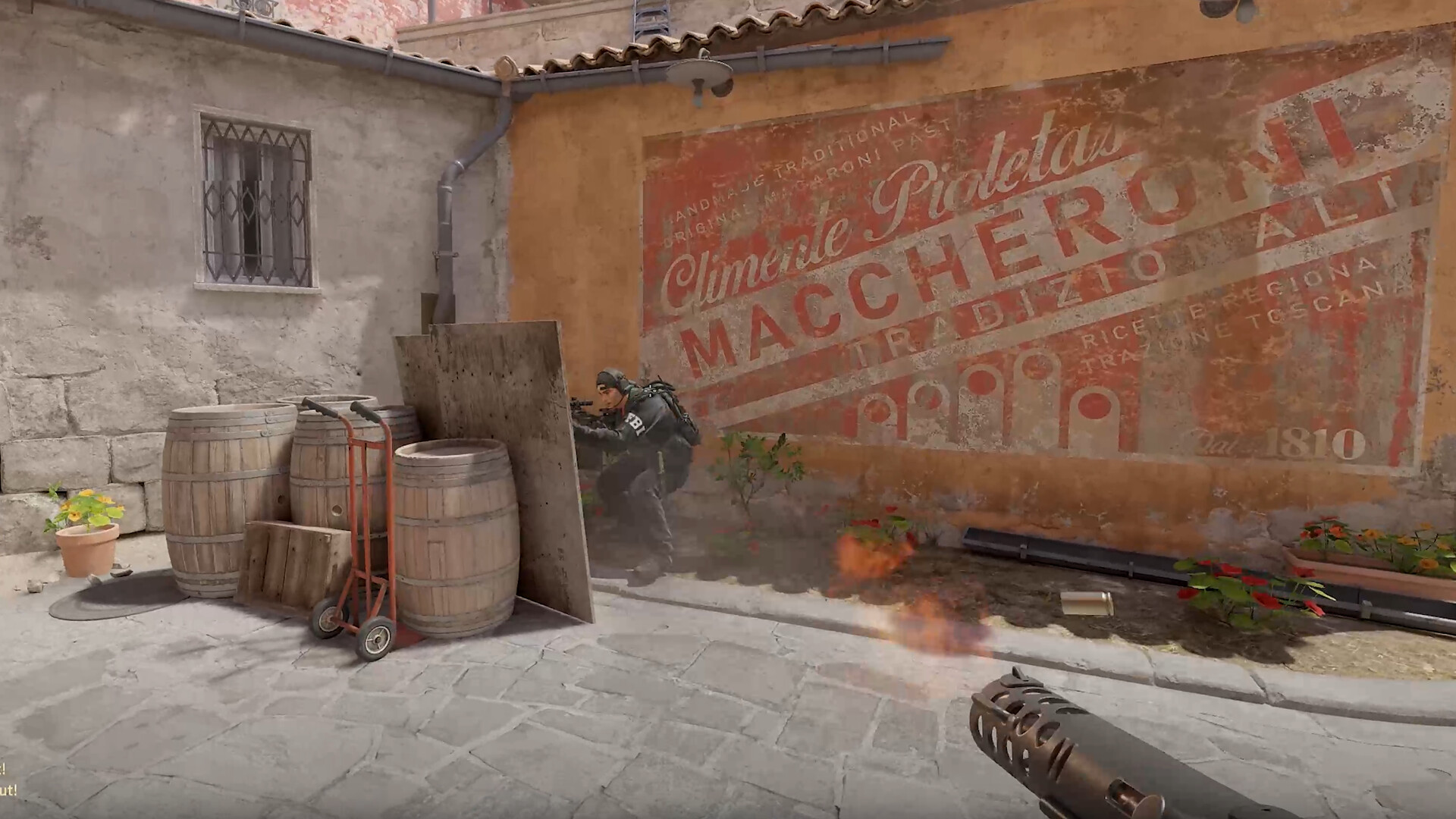
Summer Gaming Festival 2026 hasn’t started yet, and Team Spectre is already treating this off-season like a competitive audit. The squad — known for their disciplined mid-round calling and aggressive AWP rotations — has been public about the fact that the most recent Counter-Strike 2 balance changes disrupted more than just their weapon preferences. It disrupted their read on the game.
That’s a specific kind of problem. CS2 is not a game that hands you a new meta every six weeks the way something like Teamfight Tactics does. When Valve does move a dial, the ripple effects are felt in economy management, site execution timings, and utility patterns that teams have spent months cementing into muscle memory. Spectre’s relearning process, documented across their team’s social channels and a recent interview with their head coach, is a useful lens through which to look at what the current patch-state actually demands.
What Changed and Why It Matters
The most discussed adjustment in recent weeks is the tuning applied to several rifles’ movement accuracy — a quiet but structurally significant change. What it means in practice is that the aggressive peek-and-spray style that rewarded players willing to accept a little positional risk now punishes them more consistently. You can’t jiggle-peek your way into a favorable trade the way you could in the previous meta-state.
Spectre’s primary entry fragger, who built much of his recent run on exactly that kind of high-tempo aggression, has reportedly been putting in extended sessions on Deathmatch servers recalibrating his movement habits. That’s not a small thing. Deathmatch isn’t how you practice against coordinated opposition — it’s where you rebuild mechanical defaults. The fact that a player operating at that level needs to return to foundational drills tells you how meaningfully the ground shifted.
The utility changes are subtler but compound the issue. Smoke grenade adjustments — specifically around how quickly they deploy and the visual clarity at the edges of the cloud — alter the tempo of default executes in ways that require teams to relearn the exact throw lineups they’ve already committed to instinct.
Economy Reads Are Getting Recalculated
One of the less-covered aspects of these changes is the downstream effect on in-round economy decisions. CS2’s buy system — where you’re balancing full buys, eco rounds, and force-buy scenarios — has a certain logic to it that teams model in advance. Shift the weapon values even slightly, or change what a particular loadout can reliably do in a round, and those models need updating.
Spectre’s coach mentioned in that interview that the team’s IGL — their in-game leader — had been running scenario reviews specifically on force-buy efficiency. What rifle gives you the best realistic return when you’re undergunned? Which pistol round setups have shifted viability? These aren’t dramatic philosophical questions, but they compound over the course of a best-of-three and the teams that get them wrong in the first map tend to carry that deficit forward.
The Ranked Queue Problem Before a Major Event
Here’s the awkward part: preparing for SGF 2026 in ranked queue right now means grinding against a playerbase that is itself still adjusting. The lobbies Spectre are playing in — at Premier’s upper rating bands — are full of players running experiments, trying edge cases, not yet committed to a new stable approach. That’s actually useful for identifying what the patch’s ceiling looks like for various strategies, but it’s poor practice for replicating the disciplined structured opposition they’ll face at the event itself.
Professional teams typically supplement ranked with private scrimmages against other competitive rosters, and Spectre has indicated they’re increasing scrim volume heading into SGF. The catch is that every team they’re scrimmaging is solving the same puzzle simultaneously. It creates this strange feedback loop where best practices haven’t fully crystallized, and teams are partly teaching each other what the new meta boundaries are in real time.
This is not unique to Counter-Strike — any live-service competitive game with an active developer hand on the balance knobs creates this window of shared uncertainty. But CS2 players often have longer institutional memory than most, and the cognitive dissonance of feeling like a skill has been invalidated hits harder in a game this old.
What Spectre’s Approach Reveals About Competitive Adaptability
There’s a version of this story where a team’s willingness to openly discuss relearning reads as weakness. Spectre seems to have made the opposite calculation — that transparency about process signals methodological seriousness. Whether that framing lands well with analysts or opponents is another question, but the underlying practice is sound.
The teams that historically struggle after balance changes aren’t the ones with the most raw talent. They’re the ones whose internal coaching infrastructure assumes that what worked last month still works, who resist auditing their own defaults. Natus Vincere and FaZe Clan — two organizations with deep competitive histories in this game — have each gone through visible rough patches that aligned suspiciously well with periods when their adaptation pace lagged behind the meta shift. Spectre seems aware of that pattern.
Heading Into SGF Without a Safety Net
SGF 2026 is not a small proving ground. The competitive bracket — details still emerging — is expected to draw rosters that have been grinding since the patch dropped with the same urgency Spectre is showing. Showing up with half-adapted defaults, even if the individual skill ceiling is high, tends to produce messy mid-game reads and predictable site executes that experienced opposition punishes methodically.
The timing is genuinely difficult. There’s no long stabilization window here — just a compressed pre-event period where every session either closes the gap or widens it. Spectre’s public honesty about where they currently stand is either admirable self-awareness or a hostage to fortune. Come SGF, the scoreboard will settle the argument.
Reader Q&A
How are tournament results verified?
We pull directly from the publisher’s official broadcast feeds and tournament databases (HLTV, Liquipedia for community-tracked data).
Will brackets and seedings be updated as the event progresses?
Yes — major events get live coverage; bracket updates land within hours of each match.
How do you handle roster changes mid-season?
Roster updates are confirmed via team announcements before being reflected here. We avoid unconfirmed rumors.